How Creators Build Multiple Revenue Streams Beyond Ad Shares
Creators who diversified beyond Instagram ad shares saw significantly higher monthly income in Q1 2026. The shift away from platform dependency is accelerating across fitness, fashion, and e-commerce niches.
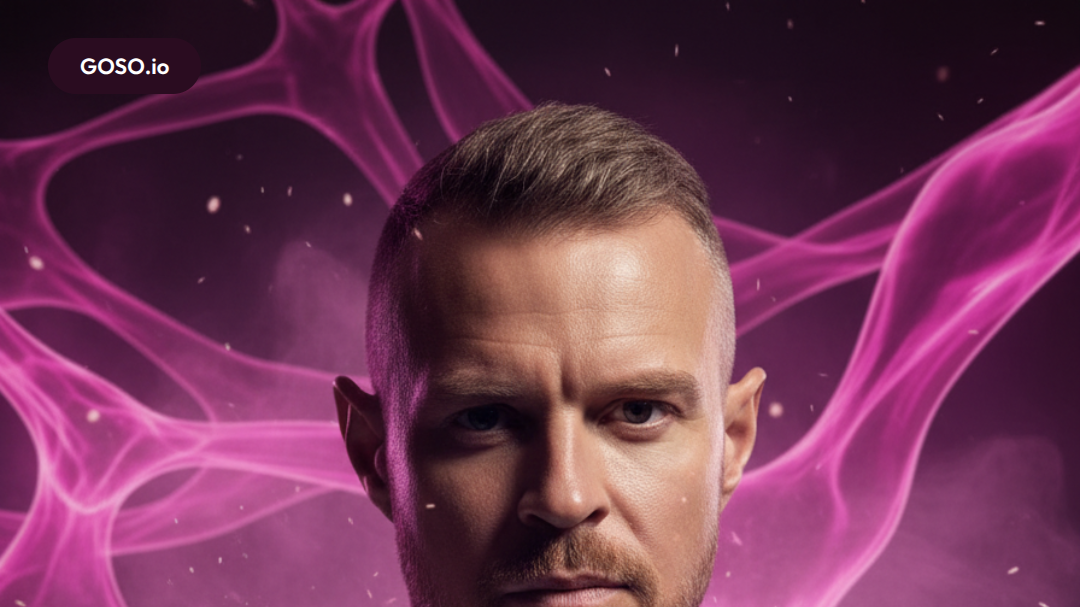
Platform payouts are never reliable. Creators who own their own monetisation channels and build direct relationships with their audience outperform peers by orders of magnitude. The shift is fundamental.Chris Rowan, Founder and CEO of GOSO.io
Find out what is costing you sales on Instagram
Audit my Instagram free Your biggest leak, mapped in 30 seconds. Free.The creator ad share is no longer the main event
Meta's Reels Creator Fund pays between $0.02 and $0.04 per 1,000 views. For a creator with 100,000 monthly viewers, this translates to $200 to $400 per month from platform ad shares alone. For years, this was treated as the assumed baseline for Instagram monetisation. Many creators built their business plan around these payouts, believing platform revenue would compound over time.
In 2026, the landscape has shifted entirely. Platform payouts are no longer the main event. Across fitness, fashion, lifestyle, e-commerce, and education niches, a clear pattern has emerged: creators who built diversified revenue streams substantially out-earned those who relied solely on platform ad shares. The gap widened considerably through 2025 and into 2026.
The most significant finding is that creators who built multiple revenue channels found their total monthly income growing substantially faster than platform-dependent peers. This is not a marginal advantage. Creators who owned their monetisation channels and built direct customer relationships achieved dramatically higher earnings. The winners built sales funnels. The laggards waited for platform payouts and watched their income stagnate against inflation.
This shift reflects a fundamental change in creator behaviour and platform dynamics. As algorithm changes became more frequent and payout rates more volatile, creators recognised that platform revenue alone was not a sustainable business model. The need to own customer relationships and build proprietary revenue channels became obvious.
Where creator revenue actually comes from now
The income composition of successful creators has shifted dramatically from platform-dependent to owner-controlled. The mix now reflects direct relationships with followers rather than algorithm payouts.
For a typical creator with 100,000 followers in Q1 2026, the revenue breakdown looks radically different from 2024. Direct product sales now account for a large plurality of income, followed by affiliate commissions from brand partnerships. Sponsorship deals contribute a meaningful portion, while platform ad shares represent a small fraction of total earnings. This inversion happened quickly and is now the norm among creators building serious businesses.
In 2024, platform payouts still accounted for a material share of total creator income. By 2026, platform payouts have become a negligible slice of the pie. Direct sales, affiliate revenue, and sponsorships now dominate. This shift reflects two critical realities that creators have internalised:
First, platform payouts are fundamentally unreliable. Meta changes the Reels Fund algorithm and payout rates frequently. A creator cannot build a sustainable business model on a foundation that shifts every quarter. Policies change, rates fluctuate, and reach varies unpredictably. No creator can forecast their platform revenue accurately. Many creators woke up to payout cuts without warning, finding their monthly earnings halved overnight.
Second, followers trust creator recommendations far more than they trust algorithmic content. When a creator endorses a product or service, their audience buys. Direct monetisation works because followers already follow for the creator's taste and opinion, not because an algorithm showed them the content. This trust gap is enormous. Asking followers to buy something a creator genuinely recommends converts at substantially higher rates than broadcasting an offer to a passive algorithmic audience.
The monetisation funnel that works
The highest-earning creators follow a clear, repeatable pattern. This funnel is not new, but its effectiveness has become undeniable as creator budgets have shifted away from platform advertising towards owned monetisation.
Stage 1: Build trust on feed and Reels. The foundation is content that educates or entertains, never salesy. Most creators take 12 to 18 months to accumulate 50,000 to 100,000 followers in one focused niche. This phase requires consistency, subject matter expertise, and an understanding of what your specific audience wants. Generic content does not work. The creator must establish a clear point of view and voice.
Stage 2: Segment by engagement. Use analytics to identify which followers engage most consistently. These are your core audience, your true believers. Extract them into a private community: WhatsApp, Telegram, or a paid Discord server. This group sees behind-the-scenes content, early access to products, and feels like insiders. This segment becomes your launch audience for every product you introduce.
Stage 3: Introduce the product. Once you have identified and cultivated your core segment, launch a AI product (online course, template, coaching package) or resell an affiliate product. Price the first offer low to remove friction to purchase and to generate proof of concept. Start by pre-selling to your private WhatsApp segment first, then expand to your broader follower base. Social proof from the first segment enables faster conversion from the second.
Stage 4: Repeat and expand. Once you have 100 to 200 customers, you have proof. Social proof drives conversion on the next launch. Repeat this pattern quarterly or monthly as you develop new products or test new affiliate relationships. Each cycle builds momentum and reduces the friction of the next cycle.
Creators who follow this funnel see initial product sales ranging widely based on audience size and engagement quality. The pattern holds across all niches where creator followings exist. Within a few cycles, recurring revenue from memberships and subscription courses becomes meaningful and compounds.
The key insight is that the funnel works because it is designed around follower psychology, not algorithm optimisation. You are not trying to game a platform. You are trying to serve a segment of people who chose to follow you because they trust your taste or expertise.
The DM strategy that drives conversions
One specific tactic is outperforming all others in conversion rates and revenue: direct message sequences.
When a creator mentions a new product in a post or story, sophisticated creators ask followers to DM a keyword or click a link to a DM automation tool (such as ManyChat or GOSO.io's DM system). This initiates an automated sequence that unfolds as a conversation rather than a broadcast. The sequence typically follows this pattern:
- A welcome message that builds rapport and confirms the follower took the action
- A problem statement explaining why the product exists and what gap it fills
- A social proof element featuring testimonials, case studies, or results from existing customers
- The offer itself: pricing, payment options, and a link to the purchase page
- A scarcity element that encourages prompt action: limited slots available, early-bird pricing, or deadline
The psychological difference between a DM sequence and a public link click is significant. A private message feels personal. The follower is having a one-to-one conversation with the creator, not watching a broadcast. This intimacy and perceived exclusivity drives higher conversion rates.
By comparison, public link clicks (such as a link in a bio or caption) feel like noise. Anyone can click it. It is not special. The DM creates a sense of direct communication that public posts cannot match.
Creators who implement DM sequences report substantially higher conversion rates on product offers compared to those using only public links or bio links. The difference is not marginal. Many creators report their revenue from products sold via DM sequences dramatically exceeds revenue from any other channel, making it their primary monetisation driver.
The sponsorship trend
Sponsorships are on the rise among successful creators, but the terms have shifted away from simple flat-fee arrangements.
Instead of the traditional "flat-fee: post this branded content and we are done," smart creators now negotiate multi-component deals:
- Base fee. A guaranteed payment per post, independent of performance. This covers the creator's work and guarantees payment.
- Performance bonus. Additional payment if the post achieves engagement or conversion targets set by the brand. This might be a bonus if the post hits a certain number of likes, comments, or story saves. Or it might trigger if the post converts a specific number of followers into customers.
- Affiliate commission. A percentage of sales driven by the post. Tracked via unique discount codes or affiliate links, this aligns the creator's incentive with the brand's revenue. A creator who drives £1,000 in sales earns a meaningful commission on top of the base fee.
This structure aligns incentives between creator and brand. The brand only pays top dollar if the creator delivers results. Creators who track and prove conversion using unique codes or tracked links command substantially higher rates than those who cannot prove impact. The creator wins by proving they drive sales. The brand wins by paying for performance, not just impressions.
This shift has made sponsorships far more lucrative for creators who understand their audience well enough to predict conversion rates. A creator who knows their audience will buy a specific product at a specific price can negotiate with confidence. Brands now reward accuracy and conversion proof.
What followers actually want to see
One key finding reshapes how new creators should think about growth strategy: follower count matters far less than engagement quality and audience focus.
A creator with 50,000 followers in a tight, engaged niche will out-earn a creator with 500,000 passive followers spread across multiple interests. The smaller audience is composed of people who chose to follow because they genuinely care about the creator's niche. The larger audience contains many followers who hit follow for one post and now passively scroll past everything else.
Engagement quality translates directly into conversion quality. When a creator with a focused, engaged audience launches a product, those followers convert at substantially higher rates than a broadcast to a passive, diffuse audience. The trust is deeper. The relevance is higher. The audience fit is tighter.
This fundamentally reshapes the "you need 1 million followers to monetise" narrative. That narrative was always false. You do not need 1 million followers. You need 10,000 genuinely interested followers in your niche. You can build that audience in 12 to 18 months if your content is focused and consistent. The quality of those 10,000 followers matters infinitely more than broadcasting to an unfocused audience of 1 million.
This changes how creators should think about growth strategy. Rather than trying to accumulate followers from every niche, smart creators go deep in one niche, build trust, and create valuable content that serves that specific audience. The monetisation moment arrives far faster than most creators expect, not because they hit a magic follower number, but because they have built genuine audience affinity.
The creator economy is becoming a business
The trend is undeniable: creators who treat their audience as a business asset rather than a vanity metric and build multiple revenue streams substantially out-earn platform-dependent peers. The grow of the difference has surprised many creators who delayed diversification.
The shift accelerated through 2025 and into 2026 because platform policy changes forced the issue. Creators who relied solely on algorithm payouts woke up to rate cuts and algorithm changes they could not control. Creators who had built their own monetisation channels were insulated. They owned their customer relationships. They owned their revenue.
The best time to diversify your revenue streams was 2024. The second-best time is right now.
If you are a creator still relying on platform ad shares, the data is clear: your income is unreliable and your growth is capped. Followers trust your recommendations. Use that trust. Build products or affiliate relationships that serve your audience. Start small, test with your most engaged followers, and iterate. The pattern works across all niches.
For help building your monetisation strategy and planning your sales funnel across Instagram and DM channels, see our custom strategy tool that maps your creator revenue streams.
Read more creator economy insights and trends in our creator economy news hub.
Find out what is costing you sales on Instagram
Audit my Instagram free Your biggest leak, mapped in 30 seconds. Free.Frequently asked questions
What percentage of creator income should come from platform ad shares?
Platform payouts typically account for less than 10 per cent of total income for diversified creators. Most revenue comes from direct product sales, affiliate commissions, and sponsorships. This reflects the unreliability of algorithm-dependent earnings.
How many followers do I need to start monetising my Instagram?
You need approximately 10,000 genuinely interested followers, not 1 million passive ones. Engagement quality matters far more than follower count. A creator with 50,000 engaged followers will out-earn a creator with 500,000 passive followers every time.
What is the most effective way to sell products to followers?
Direct message sequences outperform public links significantly. When you ask followers to DM a keyword, the private conversation feels personal and drives conversions at substantially higher rates than public posts or bio links.
How long does it take to build a monetisable following?
Most creators reach 10,000 focused followers in 12 to 18 months with consistent content in one niche. Growth depends on content quality, posting frequency, and audience fit, not follower-buying tactics.
Should I negotiate performance bonuses in sponsorship deals?
Yes. Smart creators now request a base fee plus performance bonuses tied to engagement or sales, and earn affiliate commission on conversions driven by the post. This aligns incentives and increases overall earnings.
Which monetisation stream is most reliable for creators?
Direct product sales and affiliate commissions are more reliable than platform ad shares because they do not depend on algorithm changes. Sponsorships with performance incentives also offer stability when you can prove conversion.