Instagram Lead Generation That Fills the Calendar, Not the Follower Count: What Actually Works
Most Instagram growth advice chases vanity metrics. Here is how to flip the strategy and turn the platform into a genuine lead generation engine.

We built GOSO.io because we kept watching brilliant businesses spend months growing audiences that never bought anything. The follower count is not the business, the conversation is.Chris Rowan, Founder and CEO of GOSO.io
Most Instagram strategies are built around the wrong goal. Businesses pour time into posting schedules, hashtag research and aesthetic grids, then measure success by how many people pressed the follow button. The result is a growing audience that never buys anything and a calendar that stays empty. The businesses that actually fill their pipelines through Instagram do the opposite: they build every piece of content, every engagement action and every outreach sequence around one outcome, which is booked conversations with people who can become paying clients.
Why Follower Count Is the Wrong North Star
The obsession with follower count is understandable. It feels like progress. The number goes up, the account looks credible and the vanity metrics make for a satisfying screenshot. But follower count is a lagging indicator of attention, not a leading indicator of revenue.
A business with ten thousand followers and a disengaged audience will consistently lose to a business with eight hundred highly targeted followers who open every post, reply to every story and slide into the direct messages when a problem lands in their lap. The difference is not reach, it is relevance.
This matters especially in July 2026, when the Instagram feed is more competitive than it has ever been. Organic reach for broadcast-style content has become harder to sustain, and the businesses that are winning are those treating the platform as a relationship infrastructure rather than a publishing platform. They are not trying to reach everyone. They are trying to reach the right people and then have the right conversations.
When the goal shifts from followers to booked calls, everything about the strategy changes. Content becomes problem-specific rather than aspirational. Engagement becomes targeted rather than scattered. And the metrics that matter become response rates, conversation volume and conversion rates from DM to discovery call.
The Architecture of a Lead-Generating Instagram Account
A lead-generating Instagram account is structured very differently from a brand-awareness account. Every element has a job to do in moving a prospect from discovery to conversation, and none of those elements are optional.
The profile itself is a landing page. The bio must state clearly who you help, what problem you solve and what they should do next. Vague bios that describe what a business does rather than who it serves are one of the most common reasons accounts fail to convert visitors into followers, let alone leads. A strong bio ends with a single call to action, whether that is a link, a direct message prompt or a specific question to reply to.
The content mix needs to balance three functions: demonstrating expertise, building trust and prompting action. Pure expertise content educates the audience but rarely converts on its own. Pure promotional content generates scepticism. The combination that works is leading with genuine usefulness, backing it up with proof through case studies and client outcomes, and then consistently pointing the audience towards the next step.
Highlights act as a permanent trust library. Organising them around objections, results, processes and frequently asked questions means that every new profile visitor can self-educate before they ever send a message. By the time a prospect reaches out, they have already done most of the qualifying work themselves.
How AI Changes the Lead Generation Game
The arrival of AI-assisted Instagram tools has fundamentally changed what is possible for smaller teams. Tasks that previously required hours of manual work, identifying the right accounts to engage, monitoring for buying signals, personalising outreach at volume, can now be handled by intelligent systems that work around the clock.
At GOSO.io, we have built our entire approach around AI-assisted social selling because we have seen what happens when businesses try to do this manually. They either run out of time and abandon the strategy, or they grow engagement so quickly that the outreach feels generic and the conversions collapse. AI solves both problems by handling volume without sacrificing personalisation.
The most powerful application is proactive engagement. AI can monitor the comments, posts and stories of a carefully defined target audience and flag the moments when someone signals they have a problem your business solves. That signal might be a frustrated comment about a competitor, a question asked in a community, or a post about a challenge your service addresses directly. A human could never monitor that volume of activity consistently. AI does it without missing a beat.
The second application is outreach sequencing. When the right prospect is identified, AI can personalise the opening message based on their recent activity, their bio, their content and their apparent stage in a buying journey. This is not spam. It is relevance at volume, and the response rates reflect that distinction entirely.
If you want to see how this works in practice for your specific niche and audience, the GOSO.io custom Instagram lead generation strategy is built around your actual ideal client profile, not a generic template.
Turning DMs Into Discovery Calls
The direct message is where Instagram lead generation either succeeds or collapses. Getting someone into your DMs is only half the job. Converting that conversation into a booked call requires a very different set of skills and systems from the ones used to attract the prospect in the first place.
The most common mistake at this stage is pitching too early. Someone who replies to a story or responds to an outreach message is curious, not committed. The first goal is to understand their situation, not to sell your solution. Asking a single, specific question about the problem they are experiencing is almost always more effective than sending a capabilities deck or a price list.
A simple conversation framework helps enormously here. Open by acknowledging something specific about their situation. Ask a question that reveals the depth of the problem. Listen to the answer, then ask a follow-up that surfaces the cost of not solving it. Only once you understand the problem and they feel understood should you introduce the idea of a call. At that point, the booking feels like a natural next step rather than a sales pressure move.
Automation can support parts of this process, particularly the initial response, the follow-up if someone goes quiet and the logistics of booking the call itself. But the core diagnostic conversation benefits from genuine human engagement. The combination of AI-handled logistics and human-handled relationship-building is what separates the accounts that fill their calendars from the accounts that simply accumulate followers.
Content That Converts Rather Than Content That Entertains
Entertainment-led content builds audiences. Problem-led content builds pipelines. The distinction sounds simple but it changes every creative decision a business makes about its Instagram presence.
Problem-led content starts with the specific, named frustrations of a clearly defined ideal client. It uses their language, not industry jargon. It addresses the symptoms they are already aware of before it introduces the diagnosis they might not have considered. And it ends with either a direct invitation to continue the conversation or a piece of proof that your approach actually works.
Carousel posts work exceptionally well for lead generation because they reward engagement and keep people on the content longer. A carousel that opens with a sharp hook about a recognisable problem, walks through a framework or insight across several slides and closes with a direct call to action in the final frame can consistently generate inbound messages from exactly the right people.
Reels drive discovery, but the conversion happens in the caption and the comments. Reels that address a specific problem in the first three seconds and then direct viewers to the caption for more detail, or to the direct messages for a resource, consistently outperform Reels designed purely for entertainment. The algorithm rewards watch time. The pipeline rewards relevance.
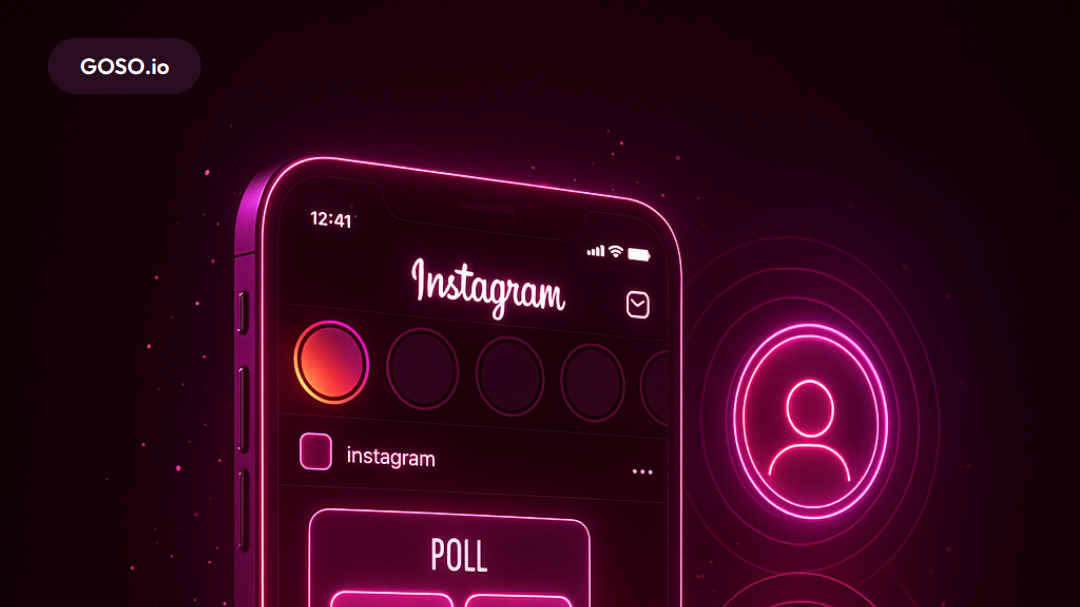
Stories are the most underused lead generation tool on the platform. Because they disappear, businesses tend to treat them as low-stakes filler content. In reality, stories are where the most committed segment of your audience pays attention every single day. Polls, question boxes and swipe-up responses in stories can generate more qualified conversations in a week than a month of feed posts.
Building a System, Not a Content Treadmill
The businesses that generate consistent leads from Instagram are not the ones who post the most. They are the ones who have built a repeatable system that identifies the right prospects, delivers relevant content to them consistently and converts their attention into conversations without requiring a new creative decision every single day.
A lead generation system on Instagram has four components working together. The first is a clear ideal client profile that goes beyond demographics into psychographics, specific problems, specific aspirations and specific language. The second is a content calendar built around that profile's known questions and frustrations, not around what the business feels like posting. The third is a proactive engagement routine that puts the account in front of the right people every day, whether that is managed manually, supported by AI, or both. The fourth is a conversion pathway that moves prospects from content to conversation to calendar with as little friction as possible.
When all four components are in place and running consistently, Instagram stops feeling like a content obligation and starts functioning like a genuine sales channel. The follower count becomes largely irrelevant because the pipeline metric tells the story that actually matters: how many qualified conversations started this week, and how many of them became booked calls.
That is the shift GOSO.io was built to help businesses make, and in July 2026, with AI tools more capable than ever and buyer attention more fragmented than ever, getting that system right has never been more valuable.
Frequently asked questions
Can Instagram actually generate leads for B2B businesses?
Absolutely. B2B buyers use Instagram to research suppliers, check credibility and gauge culture before they ever send an enquiry. The platform works best when you treat it as a conversation starter rather than a broadcast channel, moving prospects into direct messages and then into qualified discovery calls.
How does AI help with Instagram lead generation?
AI tools can identify the right accounts to engage, personalise outreach at volume and flag the signals that indicate a prospect is ready to talk. Rather than replacing human relationship-building, AI handles the repetitive reconnaissance work so your team can focus on the conversations that are most likely to convert.
How many followers do you need before Instagram generates leads?
Follower count is far less important than audience quality and engagement depth. Accounts with a few hundred highly relevant followers who receive consistent, value-led content will outperform bloated accounts with disengaged audiences every time. Lead generation is about precision, not volume.
What is social selling on Instagram and how is it different from advertising?
Social selling is the practice of building genuine relationships with potential buyers through organic content and direct conversation, rather than paid placements. It relies on trust, consistency and relevance rather than budget. For many businesses it delivers stronger conversion rates because prospects have already built confidence in the brand before they book a call.
How long does it take to see leads from an Instagram strategy?
With a properly targeted approach, most businesses begin seeing qualified enquiries within the first four to eight weeks. The timeline depends on how clearly the ideal customer profile is defined, how consistently content is published and how actively the account engages with the right people. Vanity-metric chasing takes much longer and rarely produces sales.
What kind of content drives the most Instagram leads?
Content that solves a specific problem your ideal client is actively searching for tends to generate the most inbound interest. Case study carousels, direct-answer Reels, behind-the-scenes process content and strong calls to action in captions all move people from passive viewers into active enquirers. The goal is always to earn the direct message.